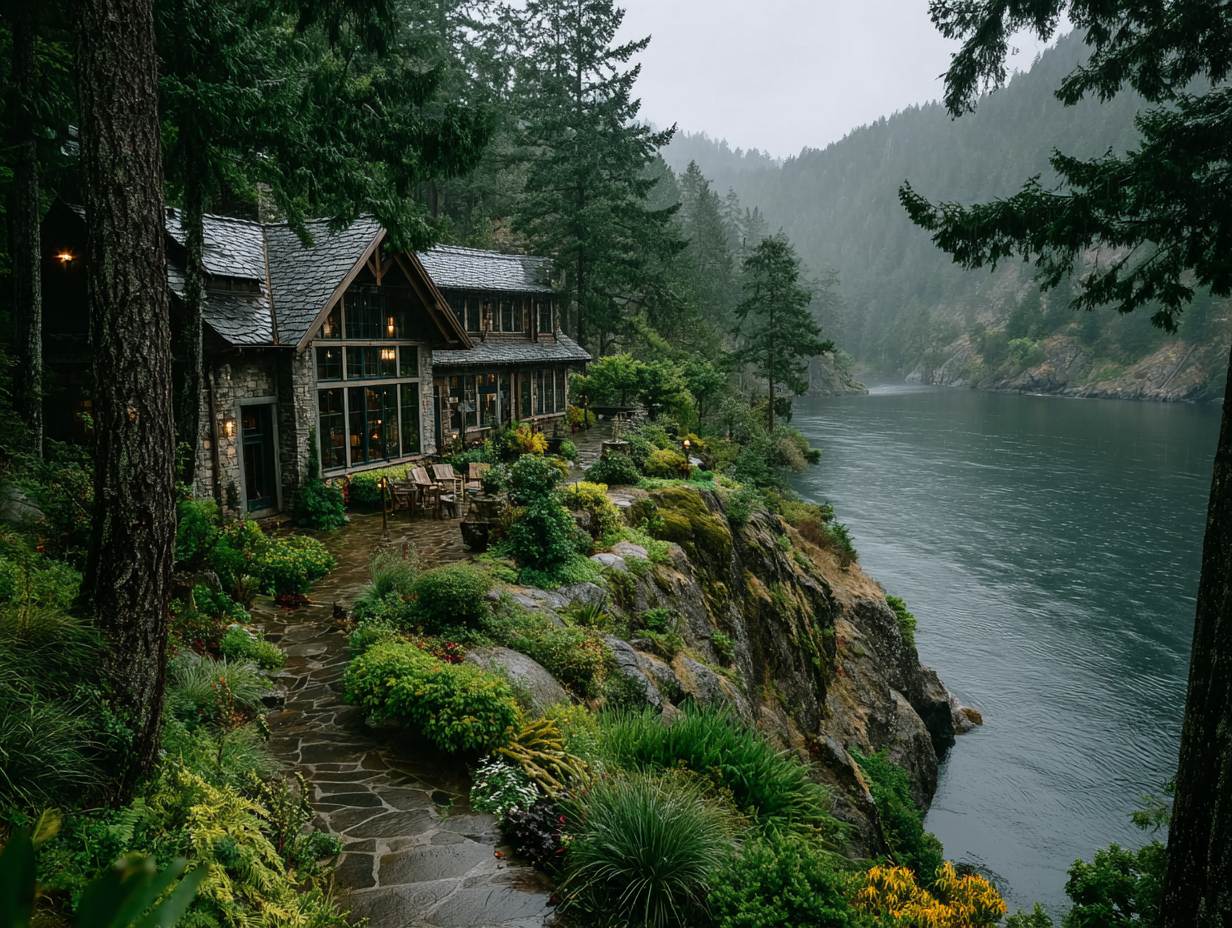
Homes near Lake Washington and Juanita Bay come with views and with water close underneath. Through the wet season, the water table near the shore rises, and the ground around foundations stays saturated for weeks at a time. For lower levels, crawl spaces and garages, that means dampness that has nothing to do with plumbing and doesn't go away just because the rain stops.
What Is High Groundwater?
Groundwater is the water held in the soil and rock below the surface. Close to a lake or bay, its level sits nearer the surface, and it rises after long periods of rain. When it climbs above the bottom of a foundation, it presses against walls and slabs and works through any opening: slab joints, cracks, pipe penetrations, the base of a crawl space.
How Can You Tell Groundwater From a Plumbing Leak?
| Clue | Groundwater | Plumbing leak |
|---|---|---|
| Timing | Worse during and after long wet stretches | Any time, often sudden |
| Location | Low points, along exterior walls, slab joints | Near a fixture, appliance or supply line |
| Water meter | Doesn't move with all water off | Moves when everything is off |
| Pattern | Spreads from the edges or comes up through the slab | Spreads out from one source |
A restoration company will use moisture readings, and sometimes a thermal camera, to separate the two. That decides the fix. See where water comes from in lower levels.
Crawl Spaces Near the Water
Under homes with crawl spaces, high groundwater can leave standing water on the soil or on top of the vapor barrier for weeks. That raises humidity under the whole house, soaks the insulation under the floor and feeds odors upstairs. Drying it means pumping what's standing, replacing soaked insulation, and running dehumidification. Then the source gets addressed: drainage, a sump, or a better vapor barrier.
Garages and Lower Floors in Waterfront Buildings
Condo and townhome buildings near the shore often have parking or storage at the lowest level. Seepage there is usually a building matter for the association, but water that reaches a unit's finished space is a restoration job for that unit. See condos and townhomes.
Is Groundwater Damage Covered by Insurance?
Often not. Many homeowners policies exclude water that comes up from the ground or seeps through foundations. Damage from a burst pipe in the same space usually is covered, which is one more reason to document the source carefully. More in moisture logs.
The Lake's Seasonal Level
Lake Washington's level is managed by the Ballard Locks. The lake is usually held higher in spring and summer and lowered in fall and winter. That helps a little in the wet season, but close to the shore, the local water table still rises after long rains, regardless of the lake level, because the soil uphill is draining toward the lake. Homes with lower levels very close to the water can see dampness through much of the winter.
Slab Moisture and Flooring
Concrete slabs at or below the water table can pass moisture upward even without any visible water. Over time that moisture can lift vinyl tile, cup wood flooring laid over the slab, and leave carpet pad damp. It's a common reason flooring fails in waterfront lower levels. Before replacing flooring after a water event, it's worth having the slab's moisture tested and choosing products made for below-grade use.
Sumps and Perimeter Drains
Many homes near the shore rely on a sump and a perimeter drain to manage groundwater. These systems run hardest from November through March, which is also when power outages are most likely. A backup pump and a high-water alarm make sense for any waterfront home with a finished lower level. See sump pumps and power outages.
Buying a House Near the Water
If you're buying a home near the lake or Juanita Bay, ask about the lower level directly. Has water ever come in? Is there a sump, and how old is it? Has any flooring been replaced, and why? A home inspector can check for efflorescence, staining and musty odors, and a restoration company or waterproofing contractor can take moisture readings on the slab and walls before you close. Answers during the wet season tell you far more than a dry August showing.
Is It Worth Waterproofing?
Sometimes. Options range from interior drainage channels that carry water to a sump, to exterior membranes and new footing drains, to simply improving grading and gutters. Which one makes sense depends on the house, the soil and how often water comes in. A waterproofing contractor can assess that. In the meantime, if water has already come in, extraction and drying come first; waterproofing over wet materials just traps the problem.
Where This Matters Around Kirkland
Lakeside streets in Houghton and Lakeview, low ground around Juanita Bay in Juanita, and the lakeshore in Kenmore.
Living With It
Keep valuables off lower-level floors in winter, run a dehumidifier in damp rooms, keep gutters and downspouts directing roof water well away, and check the crawl space after long storms. When water does come in, get it out and dried quickly; in cool, damp weather it won't dry by itself.
Groundwater in the house?
Speak with an Eastside water removal company: (425) 437-2143.
Call (425) 437-2143
When Juanita and Forbes Creeks Rise
What happens in Kirkland's creek basins during long rains, and where water reaches homes.
Hillside Lots and Water at the Uphill Wall
How runoff on a slope ends up inside a lower level.