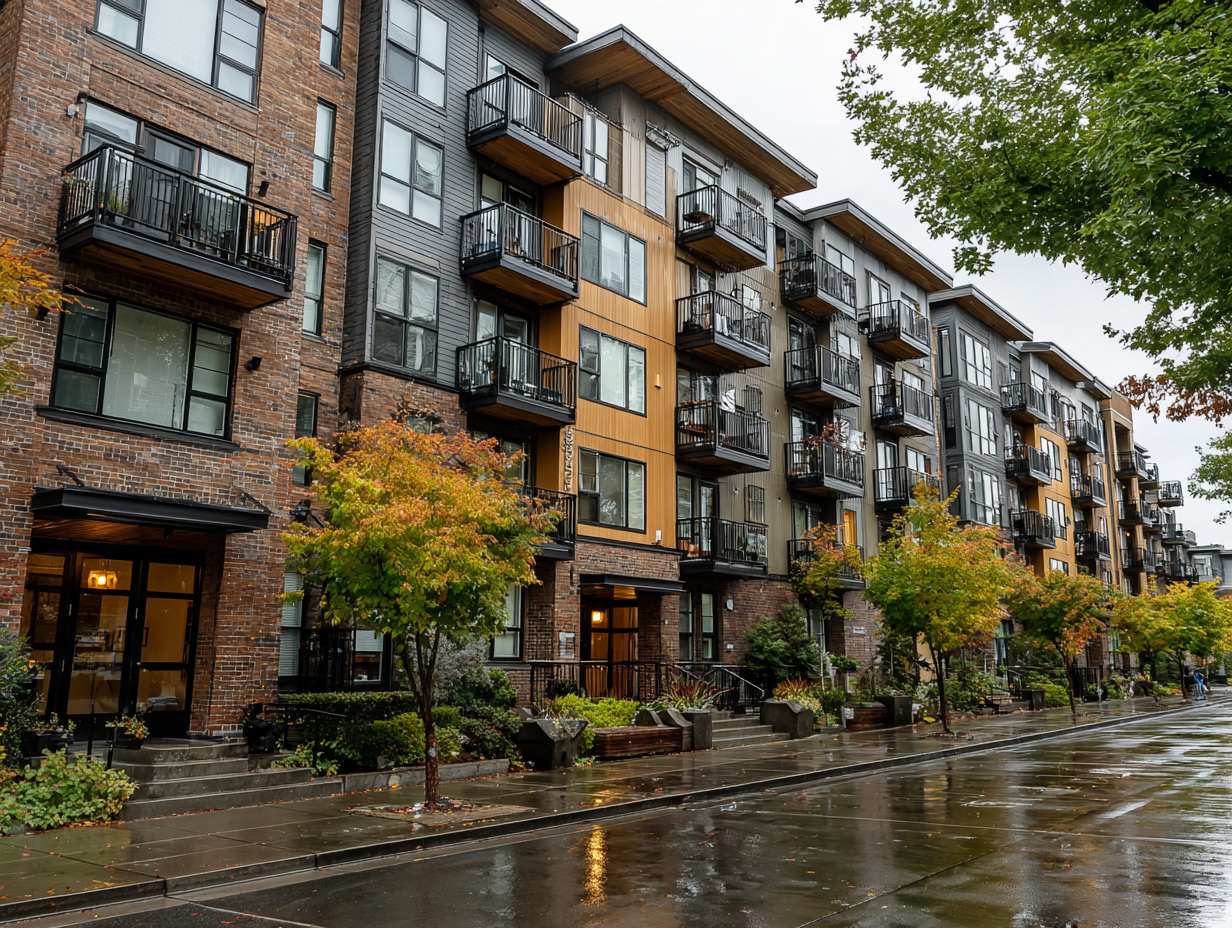
Downtown Kirkland, Totem Lake and the lakefront have many condos and townhomes, and so do Bellevue, Lynnwood and the other nearby cities. In a building with shared floors and walls, water damage has a way of involving more than one home: the unit above leaks into yours, a pipe in the wall serves three units, or a stack backs up on several floors. Sorting out who is responsible takes time. The water can't wait for that answer.
What to Do First
- Stop the water if you can, or alert the neighbor above, the building manager or the association's emergency contact.
- Protect your unit: move belongings, switch off lights where water is near fixtures, and keep clear of sagging ceilings.
- Photograph everything in your unit, and the source if you can see it.
- Notify the association and your insurer.
- Get extraction and drying started. Waiting for the responsibility question to be settled lets the damage grow.
Who Is Usually Responsible for Water Damage in a Condo?
It depends on the association's governing documents and the insurance policies involved, so there's no single answer. Common patterns:
| Element | Often handled by |
|---|---|
| Common elements: roofs, exterior walls, shared pipes and stacks | The association and its master policy |
| Inside your unit: finishes, fixtures, flooring, cabinets (depending on the documents) | You and your unit-owner (HO-6) policy |
| Damage caused by a neighbor's appliance or fixture | Often the neighbor's policy, depending on circumstances |
| The master policy deductible | Sometimes passed to the unit where the water started |
Read your association's declaration and your HO-6 policy, and ask the manager how claims usually work in your building.
Water coming through from the unit above?
Speak with an Eastside water removal company: (425) 437-2143.
Call (425) 437-2143Why Do Records Matter More in a Condo?
Because several parties need to agree on what happened. Photos from before cleanup, the restoration company's moisture map and daily log, and an itemized scope make it much easier for the association, the unit owners and the insurers to sort out the rest. See moisture logs.
How Water Moves in Multi-Unit Buildings
Through ceilings and light fixtures from the unit above, along shared walls from a neighbor's plumbing, down plumbing stacks between floors, and under floors at the shared wall in townhomes. That's why the restoration company will often want to check adjoining units too, with the owners' permission. Upstairs leaks are covered in more detail in upstairs leaks in two-story homes.
When You're the Unit Upstairs
If the water started in your unit, the steps are the same, with a few additions. Shut off the water to the fixture or the unit, knock on the door below so they can protect their belongings, and notify the manager. Your HO-6 policy may cover damage your unit caused to others, depending on the situation, so call your insurer early. Keep the failed hose or part; it helps show what happened.
Access to Your Unit
Drying often requires access to more than one unit, and to the space between floors. Associations usually have a right of entry for repairs in their documents. Working with the manager to schedule access for the restoration company keeps the drying from stalling, which helps every owner involved.
Shared Walls and Ceilings Are Slower to Dry
Between units, sound insulation and fire-resistant drywall can be thicker and denser than what's inside a single-family home. Those assemblies hold more water and dry more slowly. The restoration company may need to open walls or ceilings on one side to reach the cavity, and the readings matter even more because the next owner over is relying on them too.
What Should Unit Owners Check in Their Policy?
Look for coverage of your interior finishes and improvements, loss assessment coverage (for your share of the master policy deductible or a special assessment), and additional living expenses if you have to stay elsewhere. Ask your agent how your policy works alongside the association's master policy. Sorting that out before anything happens makes the first day of a leak much simpler.
Older Buildings and Shared Plumbing
In older condo buildings, supply and drain lines often run vertically through every unit in a stack. A failure in one of those shared lines can show up as water in several units at once, sometimes on floors that are nowhere near the actual break. When that happens, the association usually brings in a plumber to find the source while each affected unit gets extracted and dried. Unit owners should still document their own damage separately; it makes sorting out the master policy and the individual HO-6 claims far simpler afterward.
Townhomes
Townhomes often have laundry on an upper floor and share walls with neighbors. A washer hose failure can reach the unit next door along the floor framing. The same steps apply: stop it, document it, notify, and dry.
Around the Area
Condos and townhomes are common in Totem Lake, Moss Bay, Lakeview and Bellevue. For ceiling water specifically, see ceilings & upper floors.
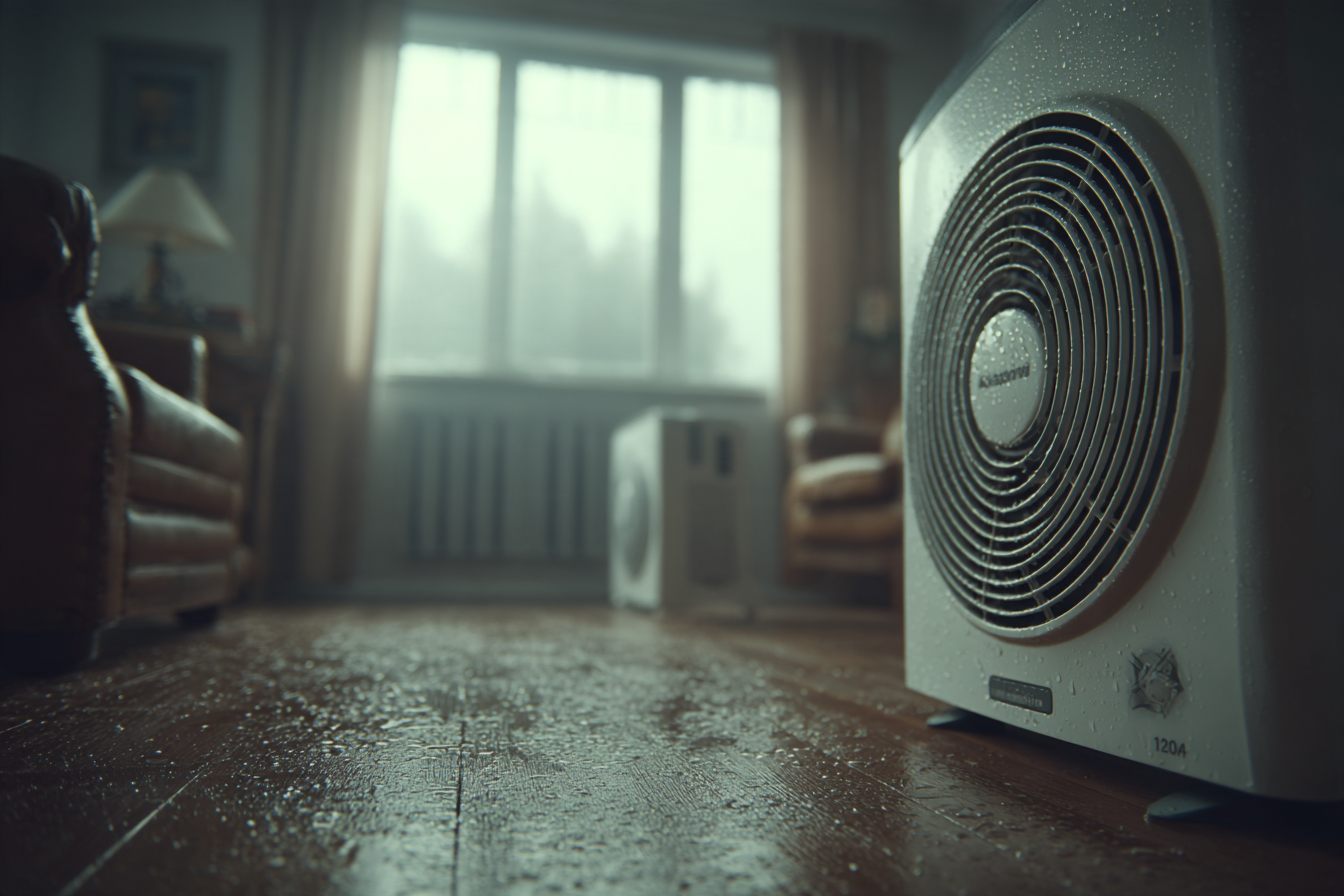
Moisture Logs: The Paperwork Your Adjuster Wants
What gets documented during drying and why it matters to a claim.
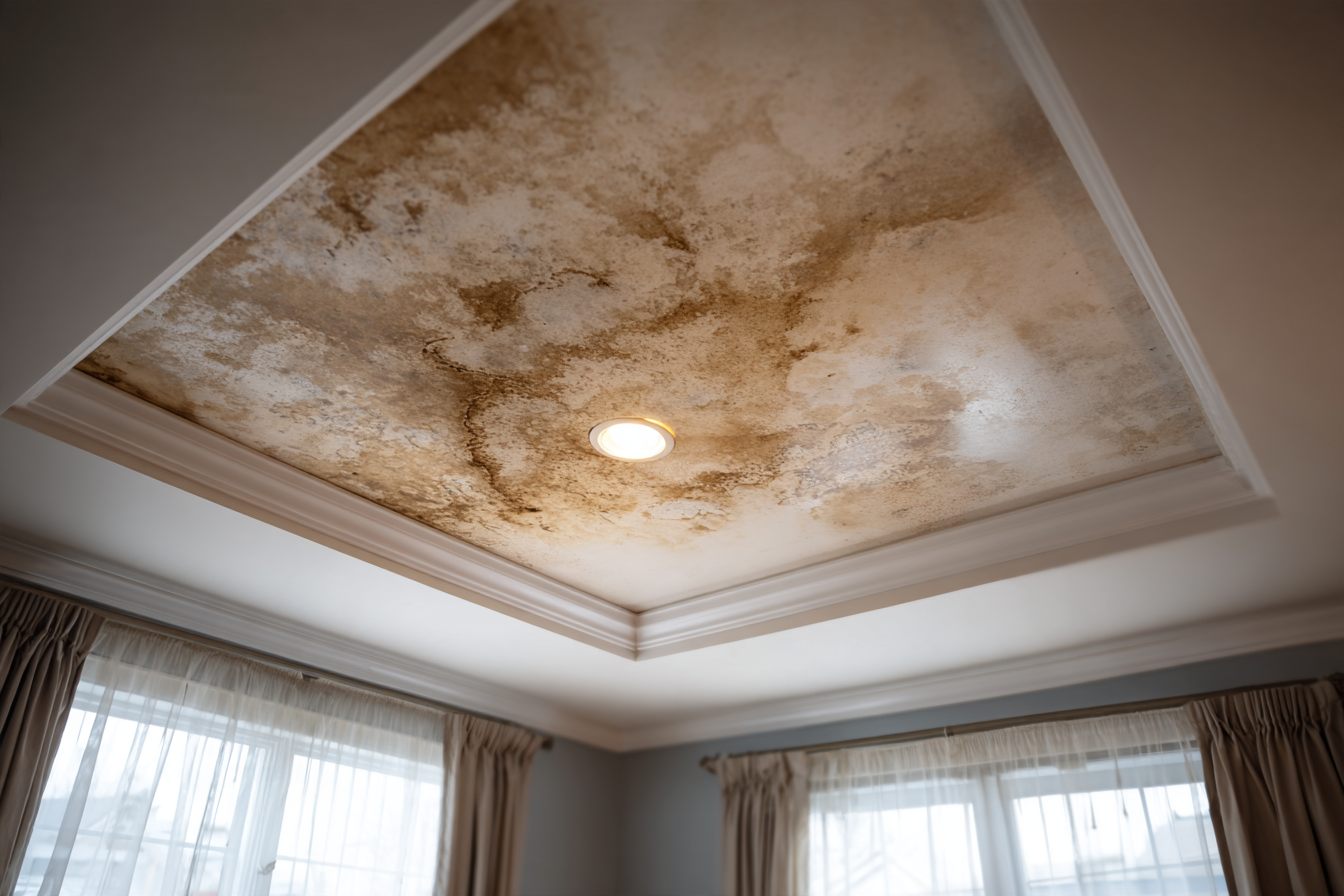
Upstairs Leaks in Two-Story Homes
Laundry rooms and bathrooms over living space.