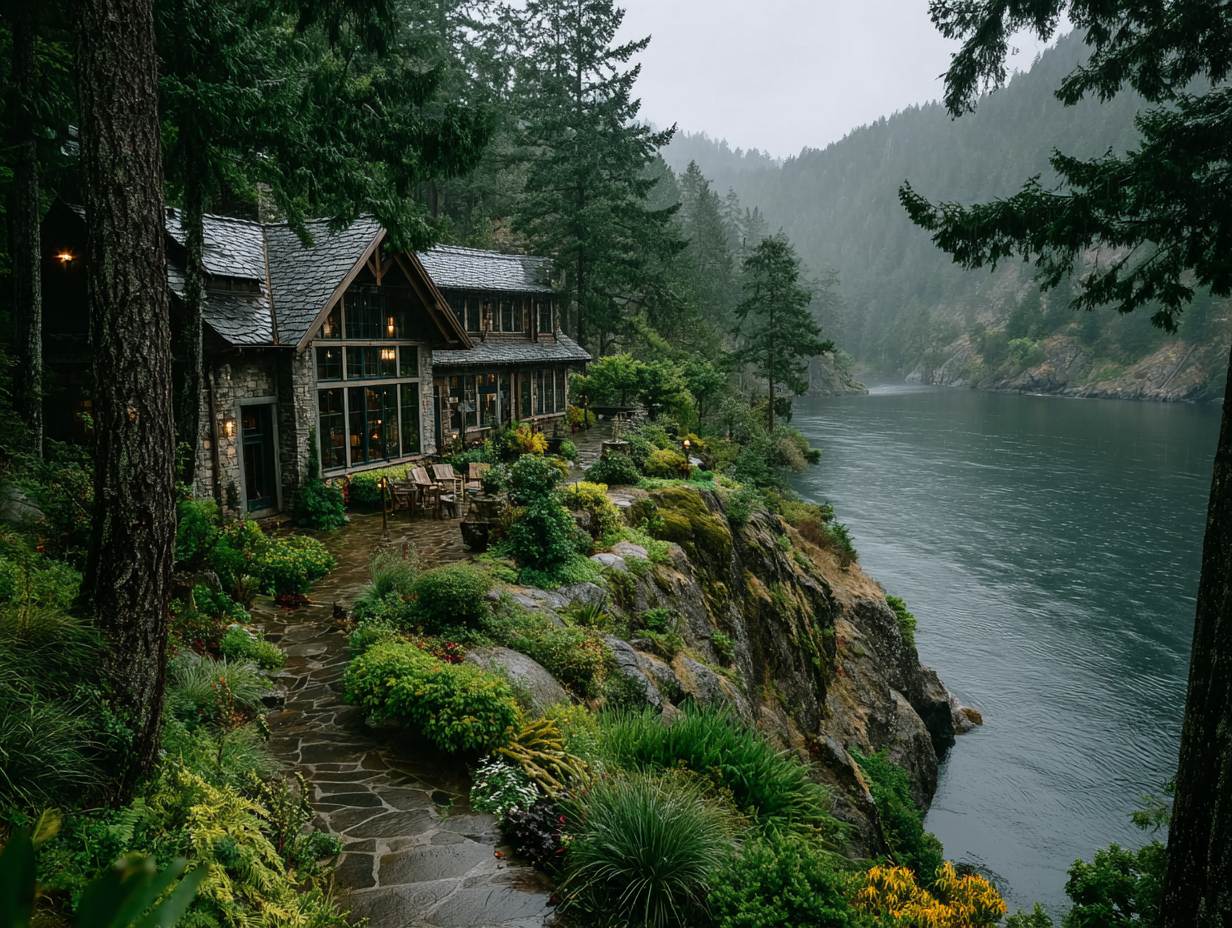
Western Washington is used to rain. What causes the worst water damage around Kirkland isn't a heavy hour; it's a long, warm, wet storm that sits over the region for days. Forecasters call these atmospheric rivers: narrow bands of moisture streaming off the Pacific that can drop several inches of rain in a few days. On the Eastside, they're the main reason basements and crawl spaces that stay dry most of the year suddenly take on water.
What Is an Atmospheric River?
It's a long, narrow plume of water vapor carried from the tropical Pacific toward the coast. When one stalls over western Washington, it delivers steady, heavy rain, often warm enough to melt snow in the mountains, for one to several days. They're most common in late fall and winter, which lines up with November being Kirkland's wettest month.
Why a Long Storm Does More Damage Than a Hard One
Soil can absorb a burst of rain. It can't absorb three days of it on top of a wet November. Once the ground is saturated:
- runoff races across lawns and driveways toward foundations
- creeks and storm drains fill and back up
- groundwater rises around basement walls and under slabs
- small gaps at slab joints, window wells and old foundation cracks start letting water in
That's why water often appears in a lower level a day or two after the heaviest rain, when the ground is at its fullest.
Water in a lower level after a long storm?
Get the water out and the drying started: (425) 437-2143.
Call (425) 437-2143How Can You Prepare a House for an Atmospheric River?
| Before the storm | Why |
|---|---|
| Clear gutters and downspouts; extend downspouts away from the house | Keeps roof water away from the foundation |
| Clear yard drains, catch basins and window wells | Gives runoff somewhere to go |
| Test the sump pump and its backup | Pumps fail at the worst time; see sump pumps and power outages |
| Move valuables off lower-level floors | Saves what can't be dried |
| Know where the main water shutoff is | Useful if a storm-related outage or freeze causes a plumbing failure |
Clearing drains and gutters is ordinary home upkeep. Once water is inside, though, the work shifts to extraction and drying, which is a job for a restoration company.
During the Storm
Check the lower level, garage and crawl-space hatch after each heavy band of rain. Watch for water at the base of walls, damp carpet near exterior walls, a running or silent sump pump, and water pooling against the house outside. Windstorms often ride along with these systems, so plan for power outages.
Which Homes Feel It Most?
Homes with lower levels built into slopes, homes near creeks and the lake, and houses on big wooded lots where gutters fill fastest. Around Kirkland that includes much of Finn Hill; beyond the city, Bothell, Woodinville and Redmond have river valleys and hillsides that respond the same way.
Rain on Snow
Some of the region's worst flooding comes when an atmospheric river follows a cold snap. Warm rain falls on snow in the Cascades and the foothills, the snow melts, and rivers fed by the mountains rise far faster than the rain alone would cause. In Kirkland itself, snow rarely lasts long enough for this to matter. In the river valleys around Woodinville and Bothell, and anywhere a home sits near a river that drains the mountains, it matters a great deal.
Wind, Trees and Roofs
The same storms often bring strong south winds. On the Eastside, that means falling branches and trees, damaged roofs and torn gutters, and power outages that can last a day or more. A branch through a roof lets rain straight into the attic and the ceilings below. A downed line can stop a sump pump in the middle of the heaviest rain. Trim limbs that hang over the roof, know where your flashlight and battery backup are, and plan how you'll check the lower level when the power is out.
A Simple Storm Checklist
Keep a short list taped inside a cabinet door:
- where the main water shutoff and the electrical panel are
- the phone number of a restoration company: (425) 437-2143
- where the flashlights, a battery bank and the sump backup charger are
- which rooms take on water first, and what's stored on those floors
- your insurance policy number and the claims phone line
When a storm warning goes out, run through it once. It takes a few minutes and saves a lot of searching in the dark.
How Long After the Storm Should You Keep Watching?
For several days. Groundwater keeps rising after the rain stops, creeks stay high, and seepage through a foundation can start or get worse a day or two later. Check the lower level, the crawl space and any spot that has leaked before, morning and evening, until the weather has been dry for a while.
Insurance and Storm Water
How water entered matters to a claim. Surface water and groundwater are commonly excluded from homeowners policies; water from a failed gutter, roof or pipe may be covered. Photograph the source and the damage before anything is moved. More in moisture logs and claim paperwork.
Cleaning Up Storm Flood Damage
Storm flood damage is easy to underestimate. Even modest seepage soaks carpet pad and the bottom of drywall in a finished lower level, and the cool, damp weather that follows a storm slows natural drying almost to nothing. Professional extraction and dehumidification are what get the structure dry. See basements & crawl spaces and what can be saved in a finished basement.
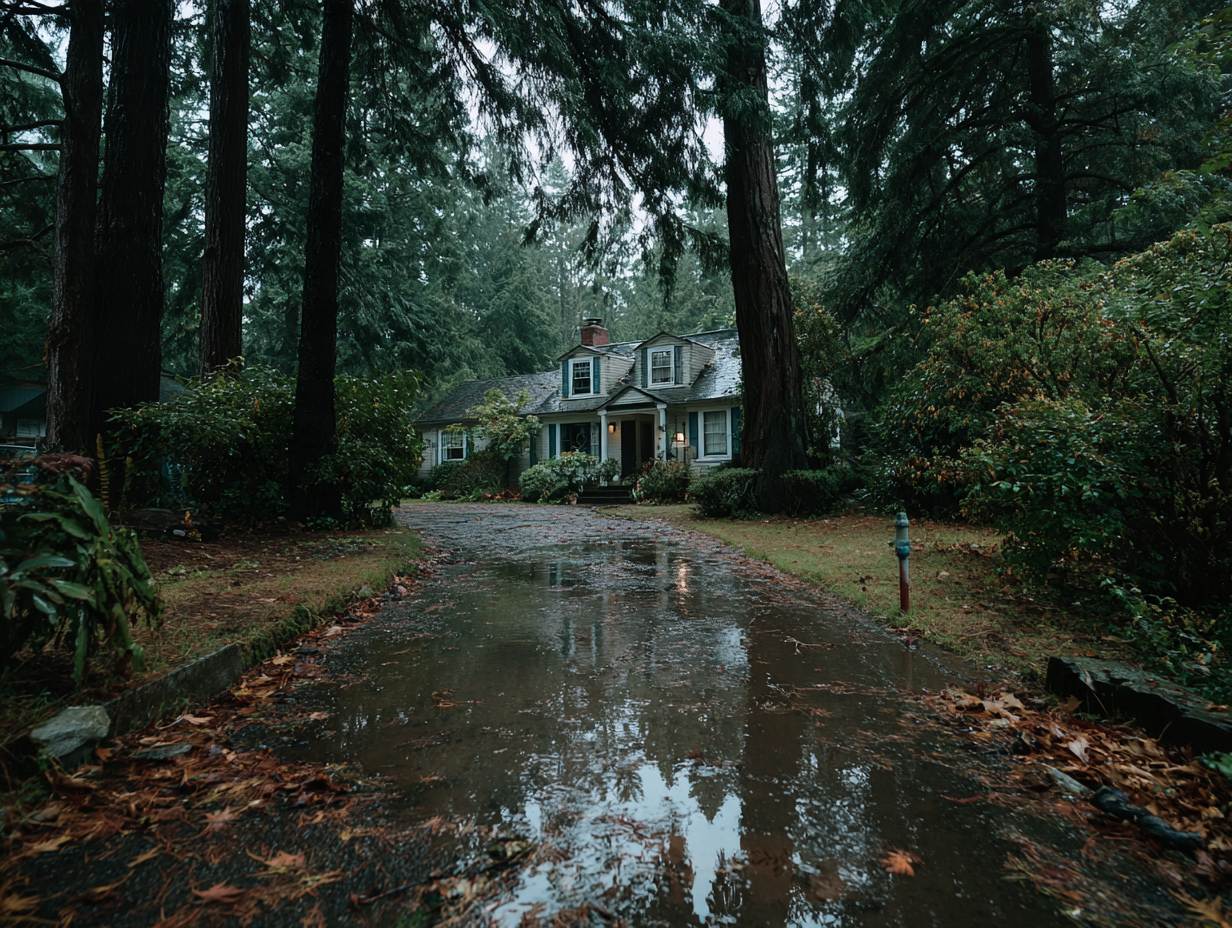
When Juanita and Forbes Creeks Rise
What happens in Kirkland's creek basins during long rains, and where water reaches homes.
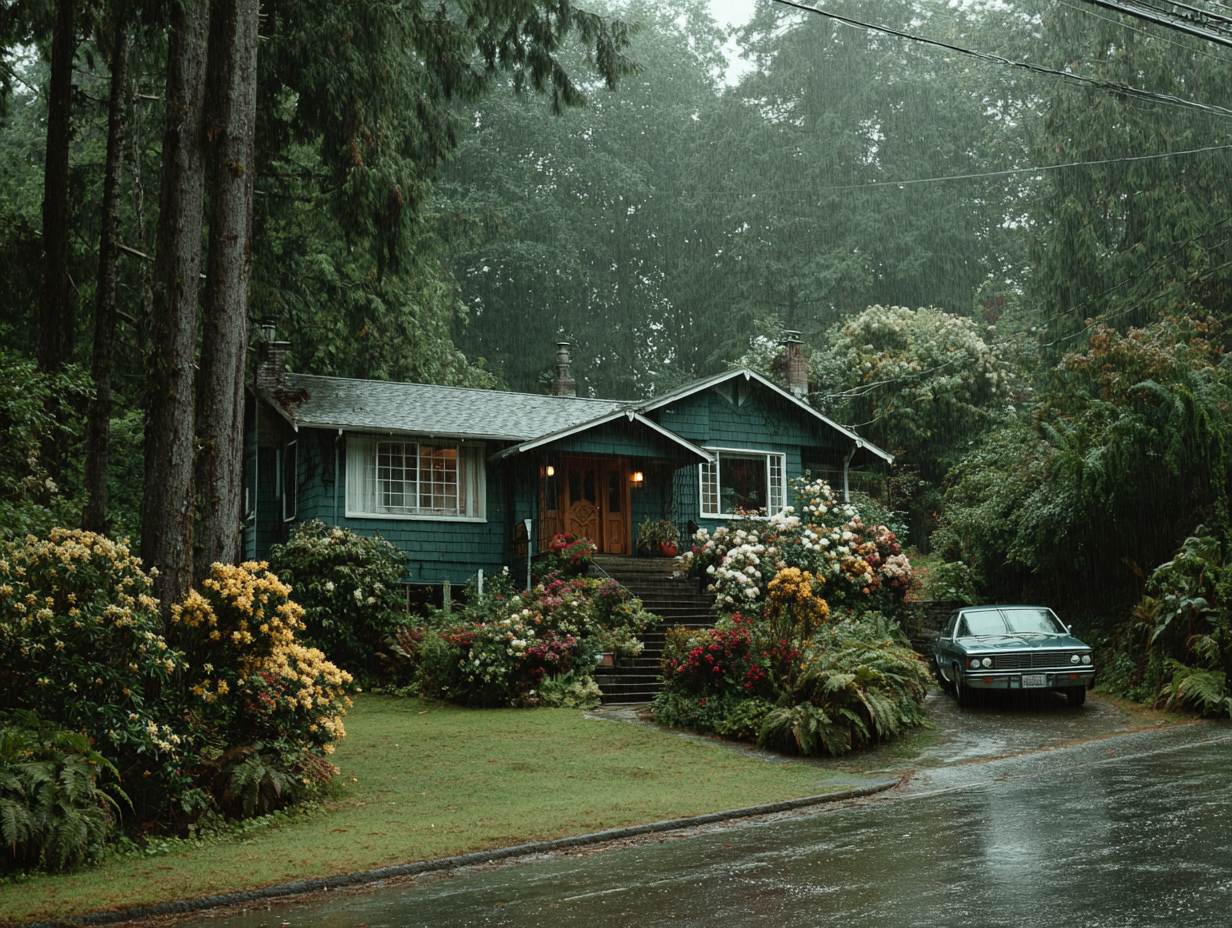
Hillside Lots and Water at the Uphill Wall
How runoff on a slope ends up inside a lower level.