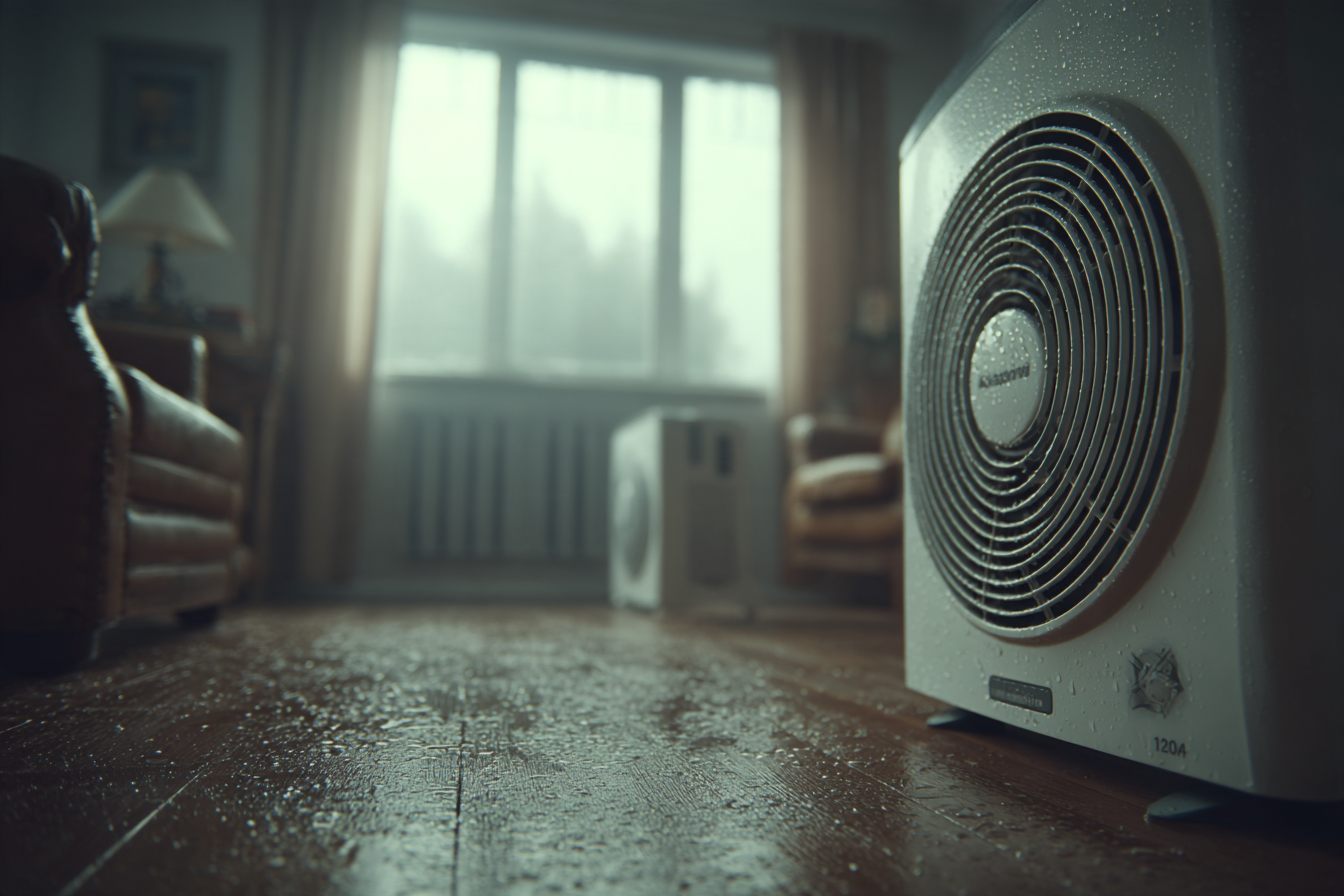
Once the water is out, the drying phase begins, and for most households that means several days of living with loud machines. Knowing what to expect makes it easier to decide whether to stay home, and keeps the drying on track.
What Gets Set Up
- Air movers: low, snail-shaped fans aimed along walls and floors. Several per room is normal.
- Dehumidifiers: larger units that pull moisture out of the air and pump or drain the collected water.
- Specialty equipment: sometimes floor-drying mats for hardwood, or small hoses fed into wall cavities.
- Containment: occasionally plastic sheeting to keep the drying zone sealed off.
How Long Does the Equipment Stay?
For a typical household leak, about three to five days. Finished basements, hardwood floors, crawl spaces and dense materials take longer. The restoration company takes readings each day and removes equipment once materials match the dry standard. Ending early because a room feels dry is the most common way a job goes wrong.
What It's Like Day to Day
| Factor | What to expect |
|---|---|
| Noise | Steady fan noise, like a loud box fan, running day and night |
| Heat | Rooms run warm; dehumidifiers give off heat |
| Power | Equipment draws a lot; circuits may need to be shared carefully, and you may notice it on the bill |
| Airflow | Doors kept open or closed as the technician sets them |
| Access | Some rooms off limits; cords and hoses on floors |
Should You Stay Home During Water Damage Drying?
Often you can, if the water was clean and the electrical system wasn't affected. Many families stay and close off the drying area. Consider staying elsewhere if:
- the water came from outside or a drain and contaminated areas are open
- the kitchen or the only bathroom is out of use
- someone at home is very sensitive to noise, or has breathing problems
- the power to part of the house is off
Check whether your policy covers additional living expenses before booking a hotel.
Sleeping With the Equipment Running
If the drying area is near the bedrooms, nights are the hardest part. Closing doors between the drying zone and bedrooms helps, as do earplugs or a white-noise machine. Some families move bedrooms to another part of the house for a few nights. Ask the technician before closing doors inside the drying area; some are left open on purpose so air can circulate.
Power and Breakers
Air movers and dehumidifiers draw a lot of current, and a few on one circuit can trip a breaker. If that happens, let the restoration company know rather than moving cords yourself. In older homes, the technician may spread equipment across several circuits or run cords from other rooms. Expect a higher electricity bill for the month; some insurers reimburse the extra cost, so keep the bill.
Kitchen and Bathroom Out of Use
When water damage hits the kitchen, cabinets may be open or removed and the sink unusable for a while. Set up a temporary kitchen in another room: a microwave, a kettle, a coffee maker and paper plates go a long way. If the only bathroom is affected, staying elsewhere becomes much more attractive.
Is It Normal for the House to Smell During Drying?
A faint earthy or damp smell is common in the first days, as moisture leaves materials. A strong musty or sour smell that gets worse, rather than better, is worth mentioning to the technician; it can mean a wet area that isn't drying or water that wasn't clean.
Working From Home During Drying
Many Eastside households have someone working from home, and a few days of fan noise makes video calls hard. Pick a room as far from the equipment as possible, close its door, and use a headset with a microphone that filters background noise. If the home office is in the drying zone, set up somewhere else for the week; a dining table or a library study room is better than shouting over air movers. Let the technician know when you have important calls, and they can plan daily visits around them.
Pets and Kids
Keep pets and small children away from the equipment and the cords. Dogs and cats tend to dislike the noise and airflow, and some will chew hoses. Don't let anyone move or switch off equipment; the technician has placed it to dry specific materials.
Helping the Drying Along
- Leave the equipment running and placed as set.
- Keep windows closed unless the technician says otherwise; outside air during Kirkland's wet season is usually damper than what the dehumidifiers produce.
- Don't put furniture back or close up openings until readings are good.
- Let the technician in for daily readings.
Around the Area
Drying works the same in a Totem Lake condo or a large house in the hills. More on the process: drying & repairs; on costs: what moves the price.
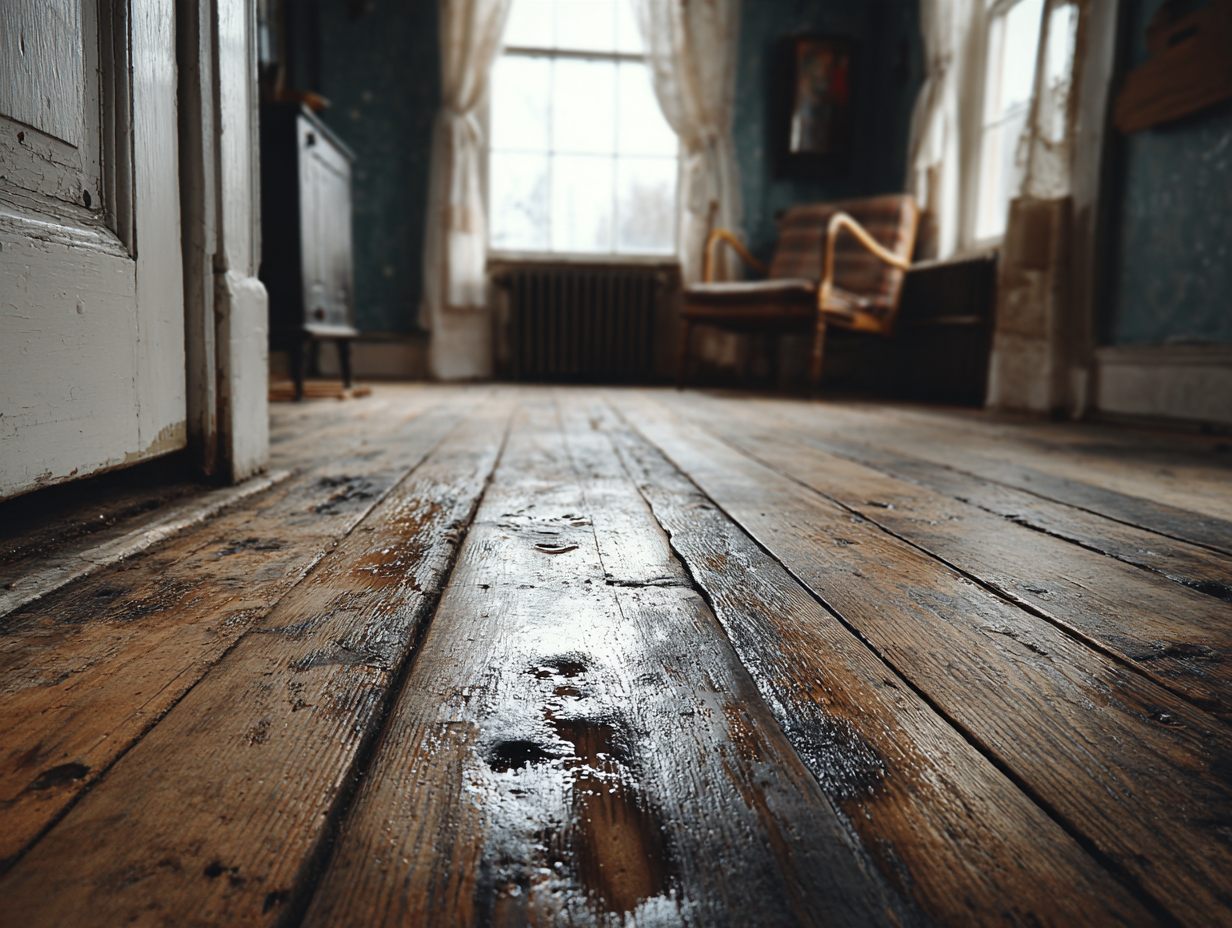
Hardwood and Engineered Floors After Water
How flooring decisions get made, and what to avoid in the first days.
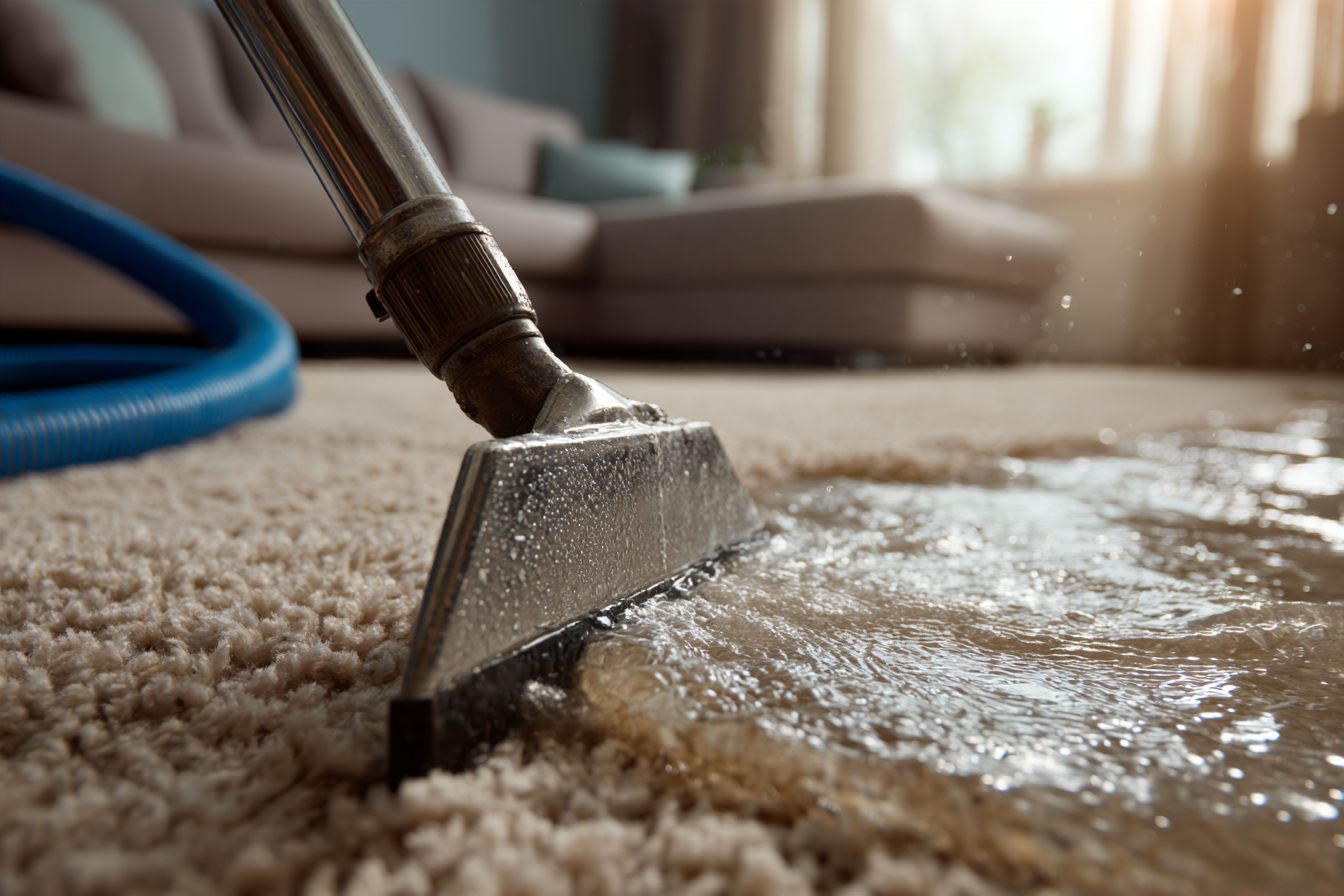
What Moves the Price of Water Extraction and Drying
Size, water type, materials and access: what an Eastside job costs depends on these.